
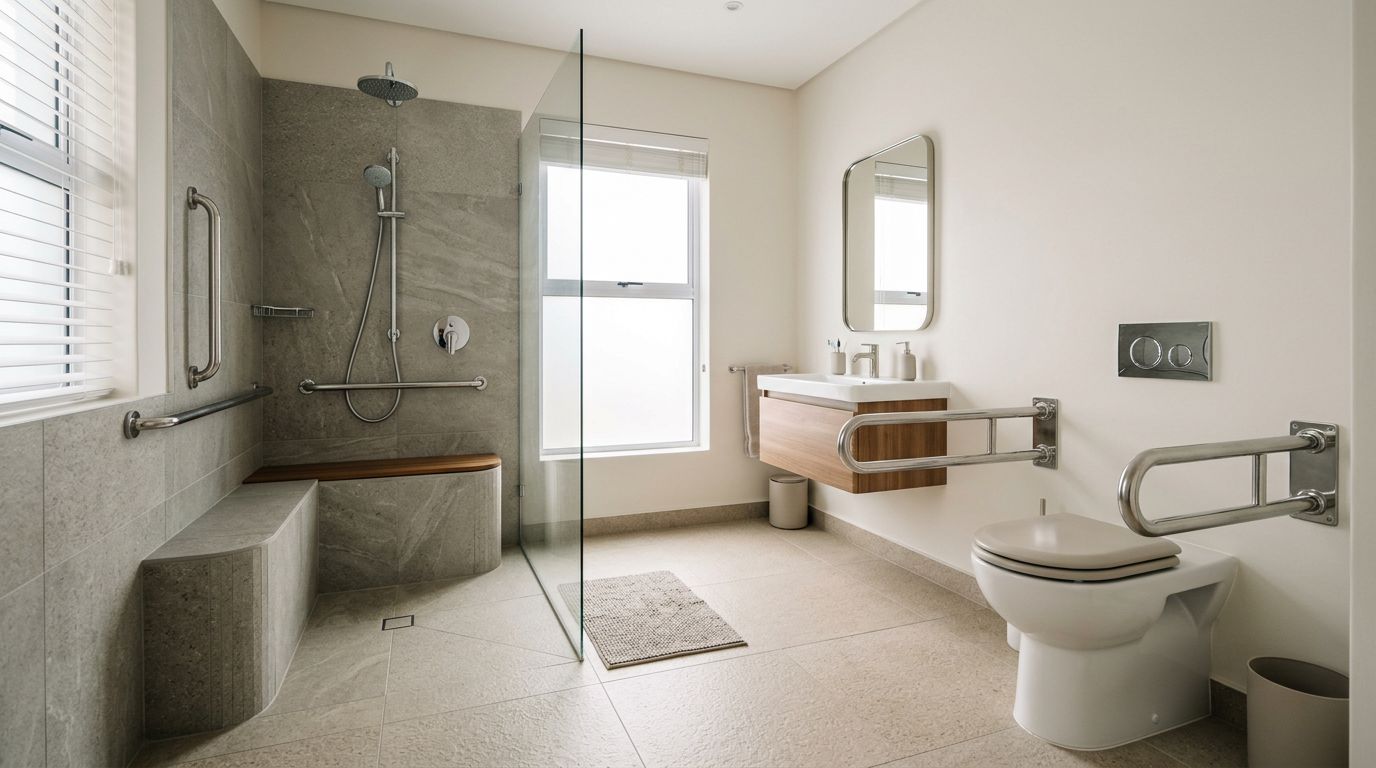
When it comes to remodeling bathroom for seniors projects, safety and comfort should always come before style. We've seen firsthand how a few smart changes can turn a slippery, cramped bathroom into a space that actually works for aging bodies. Whether you're planning ahead for yourself or helping a parent stay independent at home, a thoughtful remodel makes a huge difference.
At KBS Kitchens, we talk to families across Fair Lawn, Upper Saddle River, Old Tappan, Cresskill, Oradell, Waldwick, and Englewood Cliffs who want bathrooms that look great AND reduce fall risk. This guide breaks down what matters most in 2026, from costs to Medicare coverage to the mistakes we see way too often.
What Makes a Bathroom Safe for Seniors?
Accessibility Comes First
A safe senior bathroom starts with clear pathways. Wide doorways, enough turning space for a walker or wheelchair, and NO tripping hazards on the floor are the basics. If someone can't move freely through the room, nothing else matters.
Non-Slip Surfaces Everywhere
Wet tile is one of the biggest dangers in any bathroom. Textured, slip-resistant flooring in the shower, near the sink, and around the toilet cuts down fall risk dramatically. This is not a place to cut corners.
Smart Lighting Design
Aging eyes need more light, not less. Bright, even lighting with no shadowy corners helps seniors see where they're stepping. Motion-sensor night lights near the toilet and shower entrance are a small upgrade with a big payoff.
Easy-to-Use Fixtures
Lever-style faucet handles, higher toilets, and shower controls that don't require a strong grip all make daily routines easier. These small details add up to a bathroom that genuinely supports independence.
How Much Does a Senior Bathroom Remodel Cost in 2026?
Costs vary a lot depending on how extensive the changes are. A simple safety upgrade (grab bars, non-slip flooring, a raised toilet) costs far less than a full walk-in shower conversion with custom features. In 2026, rising material and labor costs mean it's smart to plan your budget early and prioritize the changes that matter most for your household.
- Basic safety upgrades (grab bars, shower seat, non-slip mats): $500 to $2,500
- Mid-range updates (new flooring, comfort-height toilet, improved lighting): $3,000 to $8,000
- Walk-in shower conversion with curbless entry and built-in bench: $8,000 to $18,000+
- Full bathroom remodel designed for aging in place: $15,000 to $35,000+
- Additional costs to consider: plumbing relocation, widening doorways, structural work for wheelchair access
Every home is different, so the best move is getting an honest, in-person assessment before committing to a budget. A professional walkthrough can save you from surprise costs later.
What Features Should a Walk-In Shower Have for Elderly Users?
Curbless or Low-Threshold Entry
Stepping over a high shower curb is a common cause of falls. A curbless design (or at least a very low, beveled threshold) lets seniors walk or roll into the shower without lifting their feet high.
A Built-In or Folding Seat
Standing through an entire shower can be tiring and risky. A built-in bench or fold-down seat gives seniors a safe place to sit while bathing, reducing fatigue and the chance of a slip.
Handheld Showerheads
A handheld shower wand on an adjustable slide bar gives more control than a fixed showerhead. It lets the user (or a caregiver) direct water exactly where it's needed without awkward movement.
Properly Placed Grab Bars
Grab bars inside the shower should be installed at the right height and angle for the specific person using them. Placement matters just as much as having them at all.
If you're weighing your options for a full shower overhaul, our team's approach to bathroom remodeling focuses on building these safety features in from the start, not as an afterthought bolted on later.
How to Choose the Right Grab Bars and Flooring for Fall Prevention
Grab bars and flooring are two of the most important (and most overlooked) elements of a senior-friendly bathroom. Picking the wrong type or placement can give a false sense of security. Here's how to get it right.
- Choose bars rated for real weight capacity. Decorative towel bars are NOT grab bars. Look for ADA-compliant bars rated to hold at least 250-300 pounds.
- Anchor into wall studs or blocking. A grab bar is only as strong as what it's attached to. Proper backing behind drywall is non-negotiable.
- Install at the correct height. Most grab bars work best between 33 and 36 inches from the floor, but this should be adjusted to the user's height and mobility needs.
- Pick slip-resistant flooring materials. Textured porcelain tile, certain vinyl options, and specialty coatings offer much better traction than polished stone or standard ceramic tile.
- Avoid loose rugs and mats. If you need extra traction near the sink or tub, use mats with strong rubber backing that won't slide.
- Test the slope and drainage. Floors should drain water quickly, especially near the shower, so puddles don't sit and create hazards.
What Bathroom Modifications Qualify for Medicare or Insurance Coverage?
This is one of the most common questions we hear, and unfortunately the answer is a bit complicated. Traditional Medicare generally does NOT cover home renovations, even safety-focused ones. However, there are some paths worth exploring depending on your situation and coverage plan.
- Medicare Advantage plans sometimes include limited allowances for home safety modifications; coverage varies by plan and provider.
- Medicaid waiver programs in many states help cover home modifications for eligible seniors who want to age in place instead of moving to a facility.
- Veterans benefits (such as VA grants) may help cover accessibility modifications for qualifying veterans with service-connected disabilities.
- Long-term care insurance policies occasionally include a home modification benefit; check your specific policy documents.
- Local or state grant programs sometimes exist for seniors on fixed incomes; these change often, so it pays to check current availability.
Because coverage rules shift from year to year and plan to plan, it's worth calling your insurance provider directly before starting a project. Don't assume a modification is covered just because it's medically useful.
Common Mistakes to Avoid When Remodeling a Bathroom for Aging in Place
We've seen a lot of well-meaning remodels fall short because of a few avoidable missteps. Planning ahead and thinking about future needs, not just current ones, makes a remodel last much longer and work much better.
- Focusing only on looks, not function. A beautiful bathroom that's still hard to navigate defeats the purpose of remodeling in the first place.
- Skipping professional structural assessment. Widening doorways or removing a tub often involves plumbing and framing work that needs expert eyes.
- Choosing style over safety for flooring. Glossy, trendy tile can look amazing in photos and still be dangerously slippery underfoot.
- Forgetting about future mobility changes. A bathroom that works today might not work in five years. Planning for a wheelchair or walker now avoids a second remodel later.
- Placing grab bars in the wrong spots. Installing them where they "look right" instead of where they're actually needed wastes money and doesn't improve safety.
- Ignoring lighting upgrades. Many remodels focus on fixtures and tile but leave the same dim, outdated lighting in place.
Thinking about a senior bathroom project as part of a bigger picture often helps too. If you're also updating other rooms, our guide to interior renovations covers how to coordinate style and accessibility across an entire home, not just one room.
Conclusion
Remodeling a bathroom for seniors isn't just about adding a few grab bars and calling it done. It's about rethinking the whole space so it supports independence, reduces fall risk, and still feels like a comfortable, welcoming room. From curbless showers to proper lighting to flooring that actually grips, every detail matters more than people expect.
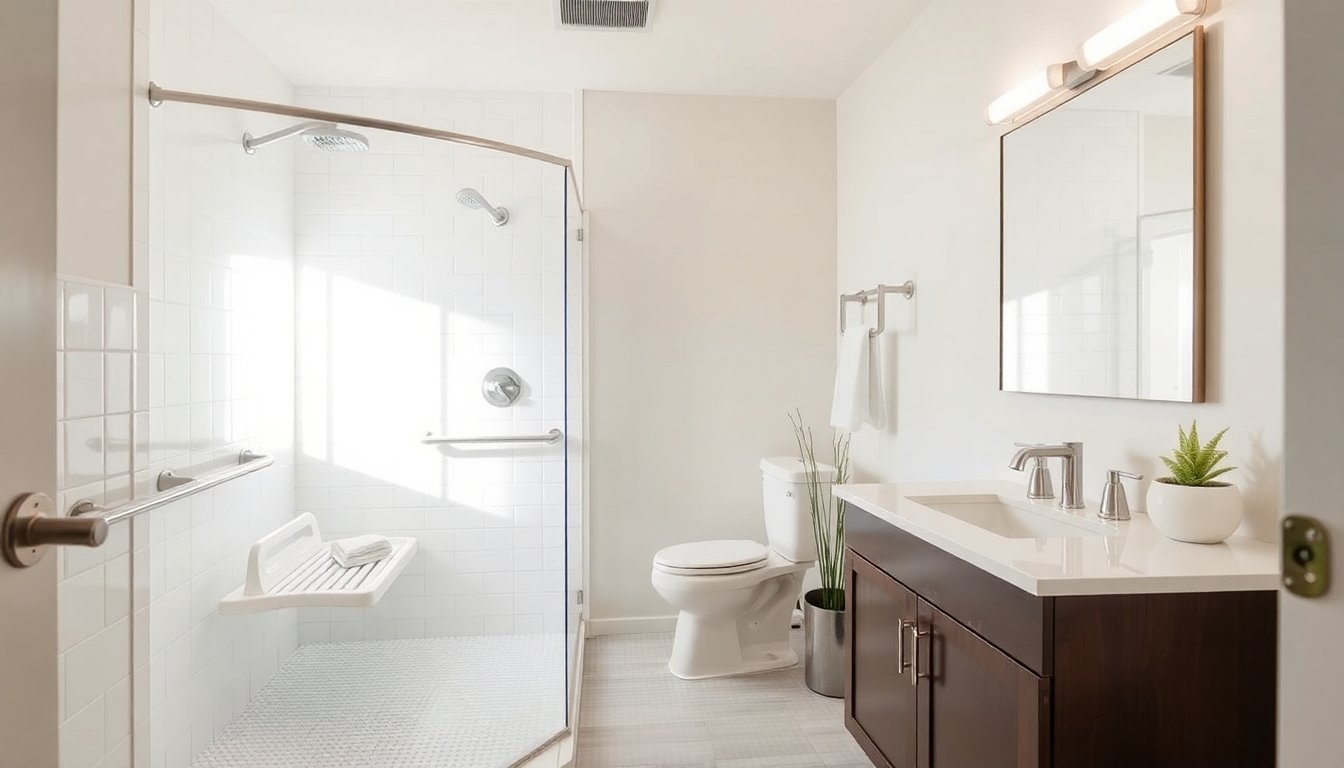
If you’re planning a project like this for yourself or a loved one in Fair Lawn, Upper Saddle River, Old Tappan, Cresskill, Oradell, Waldwick, or Englewood Cliffs, we’re happy to walk through your space and talk options. And if the bathroom is just one piece of a larger plan, it’s worth exploring a whole-home renovation approach so every room supports safe, comfortable living for years to come.
KBS Kitchens